

In the ever-evolving world of self-care, 2026 has ushered in a refreshing era of “Skin Longevity” and intentional living. We are moving away from the cluttered bathroom shelves of the past and toward a more mindful, scientific approach to radiance. However, even with all the information at our fingertips, certain Beauty Myths continue to linger like stubborn shadows.
Transitioning your routine into this new year isn’t just about buying new products; it’s about unlearning the misconceptions that might be holding your skin back. Let’s sit down together and gently debunk the top five Beauty Myths that deserve to be left behind, ensuring your glow is as sustainable as it is beautiful.
1. Beauty Myths on Multi-Step Routines: Is More Really Better?
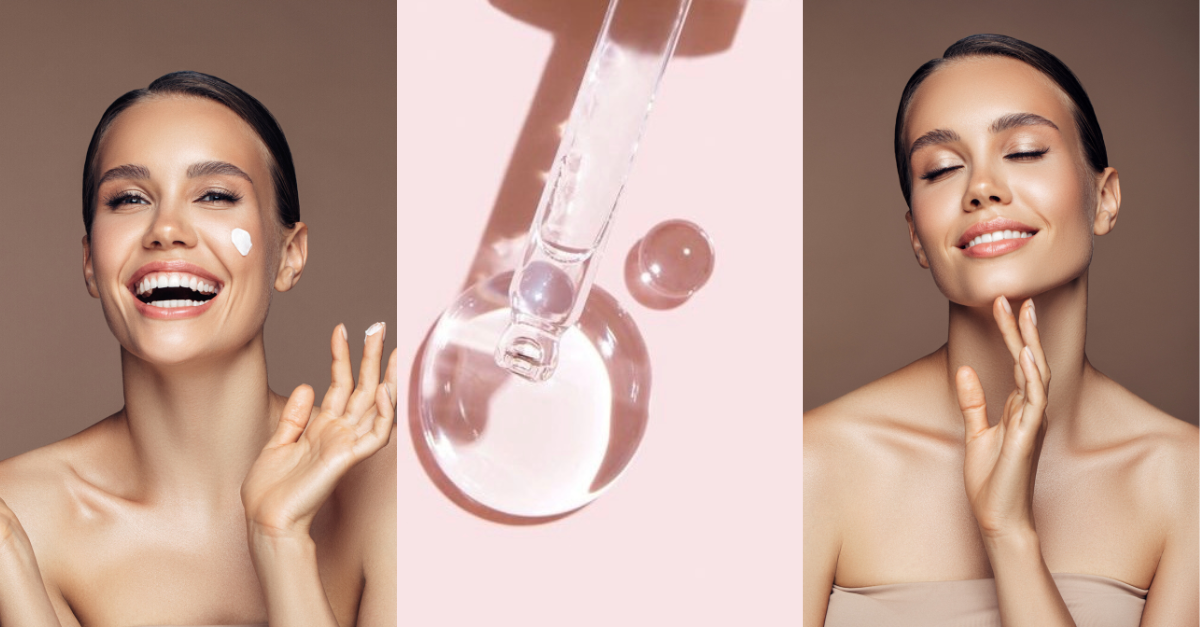
For years, we were told that a 10-step routine was the gold standard for a “glass skin” finish. In 2026, the data tells a different story. The rise of “Skinimalism” has proven that overloading your skin with active ingredients can actually lead to chronic inflammation and a compromised skin barrier.
Dermatologists now emphasize that your skin has a finite capacity to absorb nutrients. When you layer too many acids, retinols, and serums, you risk “product pilling” at best and chemical burns at worst. A simplified routine—cleanser, moisturizer, high-quality SPF, and one targeted treatment—is often more effective than a dozen mismatched products.
2. Debunking Beauty Myths: Why Oily Skin Still Needs Hydration
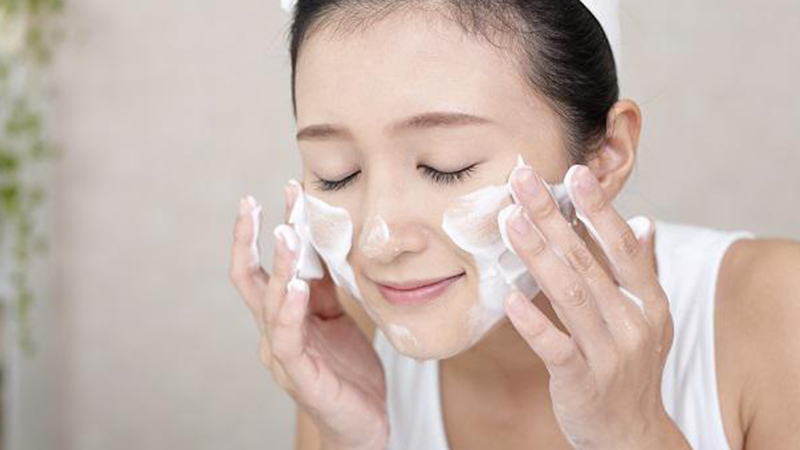
This is perhaps one of the most persistent Beauty Myths in the history of skincare. If your skin feels like an oil slick by midday, your first instinct might be to skip the cream and reach for a harsh toner.
However, oily skin is often a sign of dehydration. When you skip moisturizer, your skin’s sebaceous glands go into “panic mode,” producing more oil to compensate for the lack of water. According to recent insights from Frontier Dermatology, skipping this essential step can actually exacerbate acne and lead to a greasy yet flaky complexion.
Pro-Tip: If you are struggling with balancing your skin’s moisture levels, you might benefit from a professional consultation. You can View our Specialized Facials here to see how our experts can help restore your skin’s natural harmony.
3. The Science Behind Beauty Myths: Natural vs. Synthetic Ingredients
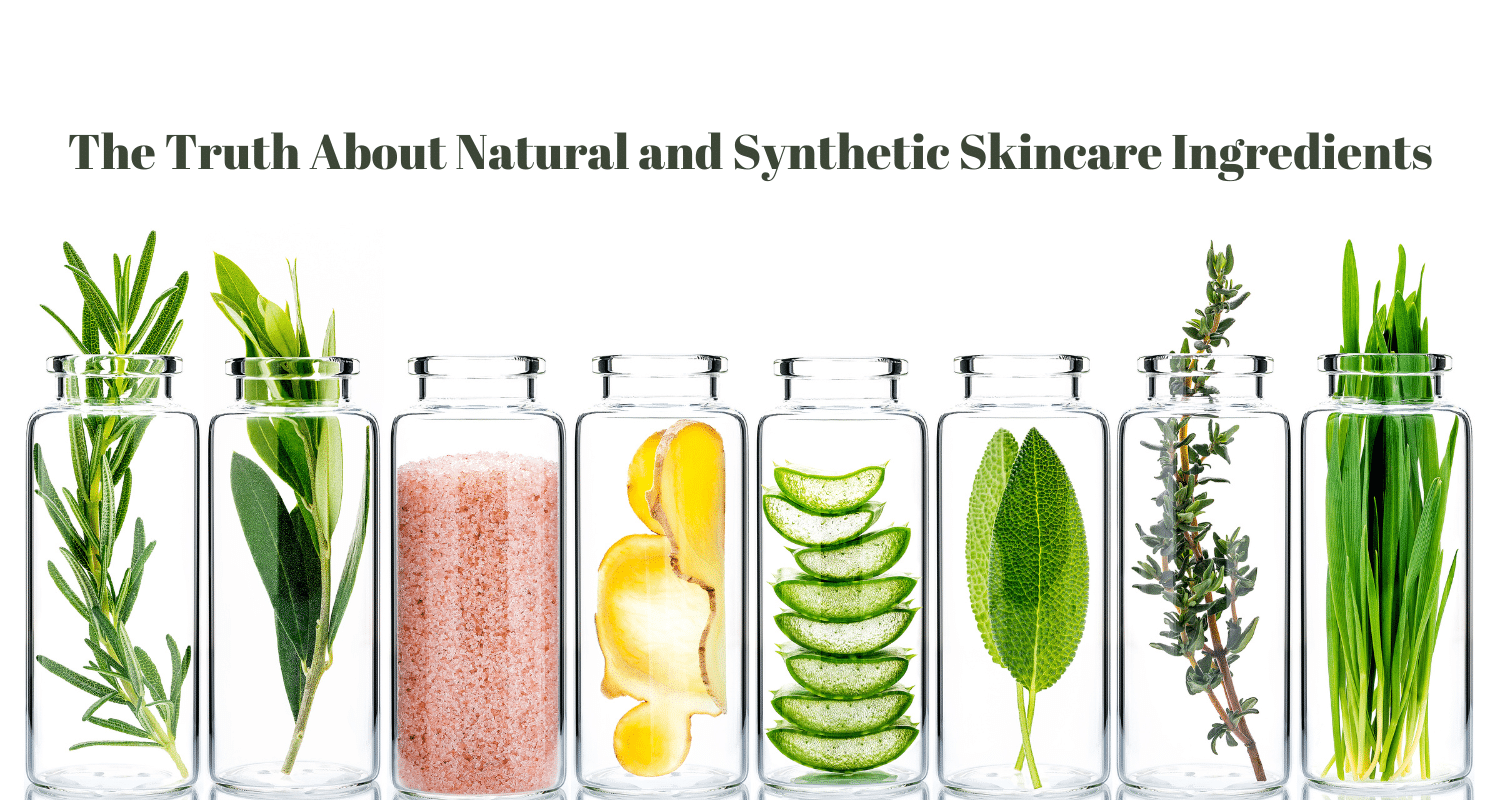
The “Clean Beauty” movement did wonders for transparency, but it also birthed one of the most confusing Beauty Myths: the idea that if it comes from a plant, it’s inherently “good.”
In reality, many natural substances—like undiluted essential oils or citrus extracts—can be highly irritating or cause photosensitivity. Science in 2026 has embraced “Safe Synthetics.” These are lab-grown ingredients designed to mimic nature but with higher stability and lower allergy risks. As noted by The UK Times, many dermatologists now prioritize “clinical substantiation” over “organic” labels.
4. Structural Beauty Myths: Can You Actually Shrink Your Pores?
We have all seen the advertisements promising to “erase” or “close” pores. Let’s be kind to ourselves: pores are not doors; they don’t have muscles to open and close. Your pore size is largely determined by genetics and age.
While you cannot physically change their size, many Beauty Myths suggest that cold water or certain toners will “shrink” them permanently. While cold water can temporarily constrict blood vessels and make skin look tighter, the effect is fleeting. Instead of chasing an impossible “poreless” look, 2026 trends focus on texture refinement. Using ingredients like Niacinamide or gentle chemical exfoliants helps keep pores clear of debris, making them appear smaller and smoother.
5. The Most Dangerous Beauty Myths: Sunscreen and Cloudy Days
If there is one myth that dermatologists wish they could erase forever, it is this one. Even in 2026, many people believe that if the sun isn’t shining, their skin is safe.
The truth is that UVA rays—the ones responsible for premature aging and skin cancer—can penetrate through thick clouds and even window glass. Research from U.S. Dermatology Partners confirms that up to 80% of the sun’s harmful rays reach the earth even on grey, overcast days. With the skincare market projected to reach over $215 billion in 2026 (Future Market Insights), protection is now a seamless part of every step, not just a beach-day chore.
How to Avoid Common Beauty Myths Moving Forward
The journey to beautiful skin doesn’t have to be a battle against your biology. By letting go of these outdated Beauty Myths, you free yourself to enjoy a routine that is simple, effective, and truly nurturing. Remember, your skin is a living organ that deserves patience and evidence-based care.
The “Best You” in 2026 isn’t the one with the most products—it’s the one with the most knowledge. Stay curious, stay protected, and always question the trends that seem too good to be true.